
Uncategorized
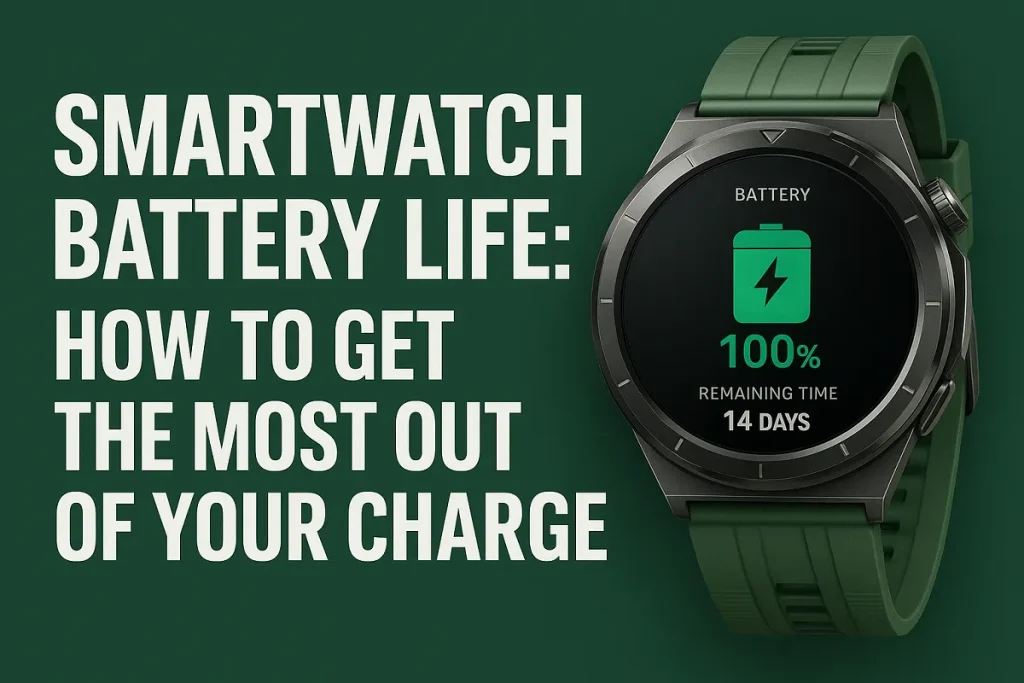
Why a 14-Day Battery is the ONLY Thing That Matters in a Smartwatch Now


Smartwatches have transformed from novelty gadgets into essential companions. But as their popularity rises, so have the complaints: constant charging, short battery life, unreliable performance during travel, and the frustration of seeing the battery die mid-day.
But now, a new category of smartwatches is rewriting the rules — the 10 to 14-day battery smartwatch.
These endurance-focused wearables are quietly taking over the market, reshaping consumer expectations, and redefining what a smartwatch should be. Once a premium feature, long battery life is now becoming the foundation of wearable design.
In this article, we explore the deep reasons behind this shift and why long-battery smartwatches are becoming the new global standard.
Why Battery Life Has Become the Most Valuable Smartwatch Feature?
For years, brands marketed displays, apps, or design as their biggest strengths. But users are sending a clear message:
Battery life is the new king.
Let’s understand why this shift is so strong and so fast.
1. Users Are Tired of Charging Too Many Devices:
Everyday life feels increasingly crowded with gadgets:
- Smartphone
- Laptop
- Earbuds
- Bluetooth speakers
- Tablets
- Power banks
- Fitness trackers
Adding a smartwatch that needs charging every night feels like a burden.
People want fewer cables, not more.
A smartwatch should blend into daily life — not demand attention.
Long-battery watches solve this problem elegantly by lasting up to 14 days.
They offer:
- fewer interruptions
- less dependency on sockets
- peace of mind
- continuous health tracking
This alone has shifted user preferences dramatically.
2. Health Tracking Requires 24/7 Wear — Not 24/7 Charging:
Today’s smartwatches track almost everything:
- Heart rate
- Sleep stages
- Stress levels
- Blood oxygen
- Activity minutes
- Menstrual cycles
- Steps & workouts
But these features are useful only when the watch stays on the wrist.
A watch that needs charging every night disrupts sleep tracking — one of the most essential functions today. Users simply don’t want to remove their watch daily.
A 14-day smartwatch offers:
- full-week sleep analysis
- uninterrupted stress monitoring
- true resting heart-rate trends
- multi-day workout logs without pausing
Long battery life directly equals better health data.
3. Fitness Users Need Long GPS and Outdoor Tracking:
Runners, cyclists, hikers, and athletes prefer smartwatches that support:
- multiple GPS sessions
- long outdoor workouts
- consistent heart-rate tracking
- multi-day activity history
GPS is one of the most battery-consuming features on any smartwatch.
Traditional watches last only 3–5 hours of GPS usage before struggling.
But 14-day smartwatches use:
- power-efficient GPS
- optimized sensors
- better antenna design
- smart battery modes
This allows them to handle back-to-back fitness sessions without needing a recharge.
For fitness enthusiasts, this is game-changing.
4. Travel-Friendly Wearables Need Endurance, Not Apps:
Travellers prefer watches that:
- track long flights
- support multiple days of hiking
- don’t need hotel chargers
- last through road trips
- ensure safety via emergency data
A smartwatch that dies during travel is more of a burden than help.
That’s why long-battery wearables are fast becoming the preferred travel companions.
5. Battery Technology Has Evolved Dramatically:
The rise of 10–14 day wearables is also a result of technological advancements.
Modern long-battery watches use:
- low-consumption AMOLED panels
- efficient processors
- lightweight operating systems
- smart power management
- larger but optimized batteries
- sensors running on micro-milliwatts
- auto brightness + adaptive refresh rates
This ensures:
Bright display + accurate tracking + long battery = Perfect balance
Earlier, users had to choose between features and battery.
Now they get both.
What Makes a Long-Battery Smartwatch Different?
Not all watches are built the same.
A long-endurance smartwatch stands apart in several ways.
Let’s explore them clearly:
1. Lightweight Operating Systems:
Operating systems like HarmonyOS, Zepp OS, and custom RTOS systems are extremely efficient.
They support:
- smooth animation
- health tracking
- notifications
- Bluetooth calling
- long standby time
Users get all essential functions without draining the battery.
2. Advanced Sensor Optimization:
Modern sensors (heart rate, SpO2, accelerometer, GPS) are now:
- sharper
- faster
- more stable
- less power-hungry
They provide accurate readings with minimal energy usage.
3. Intelligent Power Modes:
Long-battery smartwatches offer:
- Standard mode
- Power saving mode
- Ultra-long mode
- Workout modes
Each mode adjusts brightness, refresh rate, and sensor frequency — squeezing maximum battery life without affecting usability.
4. Balanced Display Engineering:
Contrary to the myth, AMOLED displays do not always drain battery.
Modern AMOLED screens are:
- brighter
- more efficient
- optimized per pixel
- adaptive in refresh rate
- power-tuned for watch faces
When combined with dark themes and Always-On optimizations, they can support long battery cycles easily.
5. Large Battery Units Without Bulk:
Earlier, inserting large batteries meant bulky watches.
Today’s engineering offers:
- thin form factor
- large mAh capacity
- compact battery placement
- heat management design
This combination enables comfort + endurance.
Why 14-Day Smartwatches Are Becoming the New Standard:
Let’s go beyond user preferences and look at market dynamics.
1. Rising Competition Forces Brands to Focus on Battery:
Every major brand now markets battery life aggressively:
- “14 days”
- “18 days”
- “30 days standby”
This is not coincidence — it’s a strategic shift.
Battery life is becoming the key selling point in the global wearable market.
2. Lifestyle Changes Post-Pandemic:
People now prioritize:
- health
- daily fitness
- step tracking
- sleep routine
- stress monitoring
Long-battery watches support this lifestyle without disruption.
3. Simplicity Is Winning Over Complexity:
Users no longer want:
- too many apps
- laggy interfaces
- heating issues
- constant charging
A watch should complement life, not complicate it.
Long-battery smartwatches deliver exactly that.
4. Brands Are Targeting Traditional Watch Users:
Many people who wore analog watches are finally switching to smartwatches.
They expect:
- reliability
- longevity
- minimal maintenance
Long battery life is the most familiar and comfortable feature for them.
Who Benefits the Most From 14-Day Smartwatches?
These watches are ideal for:
✔ Students
Unpredictable routines + long days.
✔ Working professionals
Meetings, commutes, deadlines — no time for charging.
✔ Fitness enthusiasts
Long workouts + outdoor runs + GPS.
✔ Frequent travellers
Need a dependable, long-lasting companion.
✔ Parents
Managing home + work = no charging patience.
✔ Traditional watch users
Prefer stability over features.
Key Features Buyers Look For in Long-Battery Wearables:
When users shop for endurance watches, they value:
- AMOLED display
- 10–14 day battery claim
- accurate heart rate
- dependable SpO2
- GPS
- calling support
- lightweight design
- strong build quality
- water resistance (5ATM)
- multiple sports modes
These form the core expectation of a modern smartwatch.
The Macro-Level Impact: The Wearable Industry Is Changing
The rise of long-battery watches is not a small shift.
It represents a complete redesign of market priorities.
Key industry transformations:
- More investment in battery R&D
- Focus on lighter OS systems
- Reduced emphasis on heavy apps
- Greater push for hybrid wearables
- Expansion of fitness-based models
- Marketing centered on endurance instead of features
This change is global and accelerating.
Conclusion: Long Battery Life Isn’t a Feature Anymore — It’s the New Standard
The wearable industry is clearly moving toward endurance-driven design.
As users prioritize reliability and convenience, 10–14 day smartwatches are becoming the expected norm.
They offer:
- uninterrupted health tracking
- hassle-free daily use
- stable performance
- travel readiness
- traditional watch-like endurance
Technology should simplify life — and long-battery smartwatches are leading this new era with exactly that promise.

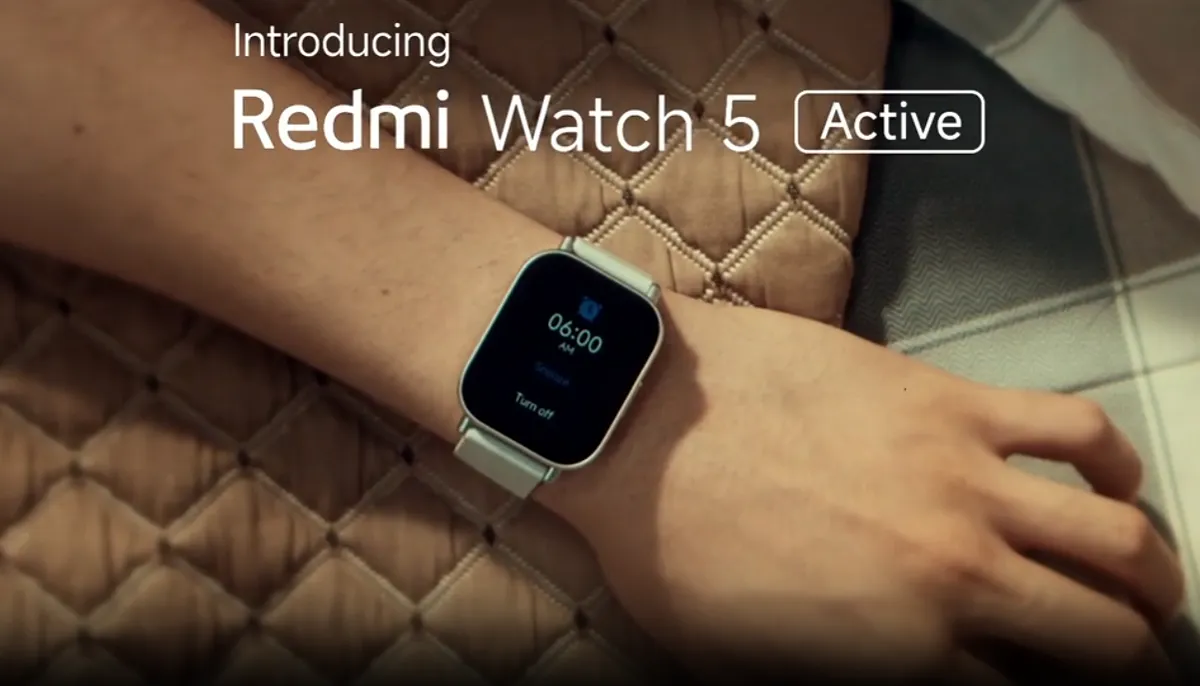
The smartwatch market is flooded with options, but finding a feature-packed yet affordable wearable can be challenging. Xiaomi’s Redmi Watch 5 Active enters the scene as a strong contender, promising premium features at a fraction of the cost of high-end brands.
But does it live up to expectations? In this in-depth review, we’ll examine its design, display, fitness tracking, smart features, battery life, and overall value to help you decide if it’s the right smartwatch for you.
1. Design & Build Quality: Sleek, Lightweight, and Practical
Aesthetics & Comfort:
- The Redmi Watch 5 Active sports a minimalist, modern design with a square-shaped dial, making it look more premium than its price suggests.
- The lightweight plastic body (just 36g) ensures comfort even during long wear.
- The silicone strap is soft, adjustable, and sweat-resistant—ideal for workouts.
Display Quality:
- 1.43-inch TFT LCD (320 x 360 pixels) – Bright and sharp enough for daily use.
- Touchscreen responsiveness is smooth, with minimal lag.
- Always-On Display (AOD) support (though it drains battery faster).
- 5ATM water resistance (can withstand swimming and showers).
Color Options:
Available in Black, Blue, Pink, and Ivory, catering to different style preferences.
2. Fitness & Health Tracking: A Solid Performer
Comprehensive Workout Modes:
- Supports 120+ sports modes, including:
- Running, cycling, swimming, HIIT, yoga, and more.
- Auto-workout detection (recognizes walking/running automatically).
Advanced Health Sensors:
- 24/7 Heart Rate Monitoring – Tracks resting and active heart rates.
- SpO2 (Blood Oxygen) Sensor – Useful for altitude training and health checks.
- Sleep Tracking – Analyzes deep, light, and REM sleep stages.
- Stress Monitoring – Helps manage daily stress levels.
GPS & Accuracy:
- Built-in GPS (not as precise as high-end watches but decent for runs/hikes).
- Syncs with Xiaomi Wear/Zepp app for detailed workout analysis.
3. Smart Features: Beyond Just Fitness
Notifications & Connectivity:
- Call, SMS, and app alerts (WhatsApp, Instagram, etc.) with quick replies (Android only).
- Music control (play/pause/skip tracks from your wrist).
- Camera shutter control – Great for group photos.
Additional Conveniences:
- Weather updates:
- Find My Phone feature
- Idle reminders (nudges you to move if inactive too long)
App Support & Customization:
- 100+ watch faces (downloadable via Xiaomi Wear app).
- Customizable quick settings (brightness, DND, etc.).
4. Battery Life: A Major Selling Point
- Up to 10 days on a single charge (with moderate use).
- Heavy usage (GPS + AOD) drains it in ~3-4 days.
- Fast charging (0-100% in ~2 hours).
5. Performance & Software Experience
- Smooth UI (better than older Redmi watches).
- Occasional lag when switching apps.
- Reliable syncing with Android/iOS (but some iOS features are limited).
6. Price & Competition: Is It Worth It?
Price Range: ₹3,000 – ₹4,500 (~$40-$60)
Competitors Compared
| Feature | Redmi Watch 5 Active | Amazfit Bip 5 | Realme Watch 3 |
|---|---|---|---|
| Display | 1.43″ LCD | 1.91″ LCD | 1.8″ LCD |
| GPS | Yes | Yes | No |
| Battery | 10 days | 10 days | 7 days |
| SpO2 | Yes | Yes | Yes |
| Price | ₹3,499 | ₹5,999 | ₹3,499 |
Verdict: If you want a budget-friendly smartwatch with solid features, the Redmi Watch 5 Active is a great pick. Ideal for fitness lovers and everyday users!
With a price tag of USD 55 million, the Graff Diamonds Hallucination is the most expensive watch in the world in 2025.

Redmi Watch 5 Active with 18 Days Battery Life
Luxury Watches Under 1 Lakh in India
Which is the most expensive watch in the world in 2025?
10 Affordable Luxury Watches in India – Rs.50,000 to Rs.1 lakh
Which Watch Virat Kohli Wears and its Cost? Virat Kohli Watch Collection
15 best apple watch straps to suit any style and occasion
Why Is Patek Philippe So Valuable?
📌 What is Facebook Campaign Bid Strategy?
Pincode targeting vs radius targeting which is good in Facebook ads

How Smartwatches Influence Discipline & Daily Routines: A Simple Guide to a More Organized You

PSYCHOLOGY BEHIND CHECKING YOUR WRIST
15 best apple watch straps to suit any style and occasion

THE NEXT BREAKTHROUGH SENSORS COMING TO YOUR WRIST

How Smartwatches Have Become a New-Class Accessory

HOW SMARTWATCH SHAPE YOUR MORNING MOOD

WHAT SMARTWATCH WILL LOOK LIKE IN 2050

THE SOCIAL IDENTITY OF SMARTWATCH USERS IN MODERN SOCIETY
USING YOUR SMARTWATCH AS A LIFE IMPROVEMENT COACH
Which is the most expensive watch in the world in 2025?

THE HIDDEN SLEEP PATTERNS SMARTWATCHES CAN REVEAL
-

 Luxury Watches1 year ago
Top 10 Most Expensive Watches in India – Is Buying a Rs.1 Crore Watch Worth It?
-

 Smart Watches1 year ago
16 Best Smartwatches UNDER ₹1000 – Budget Smartwatch in India
-

 Luxury Watches1 year ago
Top 10 Ultra Luxury Watch Brands Worn by Billionaires
-

 Luxury Watches1 year ago
GST on Luxury Watches in India: A Complete Guide
-

 Luxury Watches1 year ago
Best Brand Watches for Men in India (2025)
-

 Smart Watches1 year ago
The Best Smartwatches Under ₹2000 in India for 2025: Your Ultimate Guide
-

 Smart Watches1 year ago
Fire‑Boltt Ring X Features: BT Calling, Battery, Display and Price
-

 News1 year ago
Redmi Watch Move: Features, Specs, Price, and Everything We Know So Far