
Uncategorized
CAN SMARTWATCH DATA PREDICT MAJOR LIFE CHANGE ?

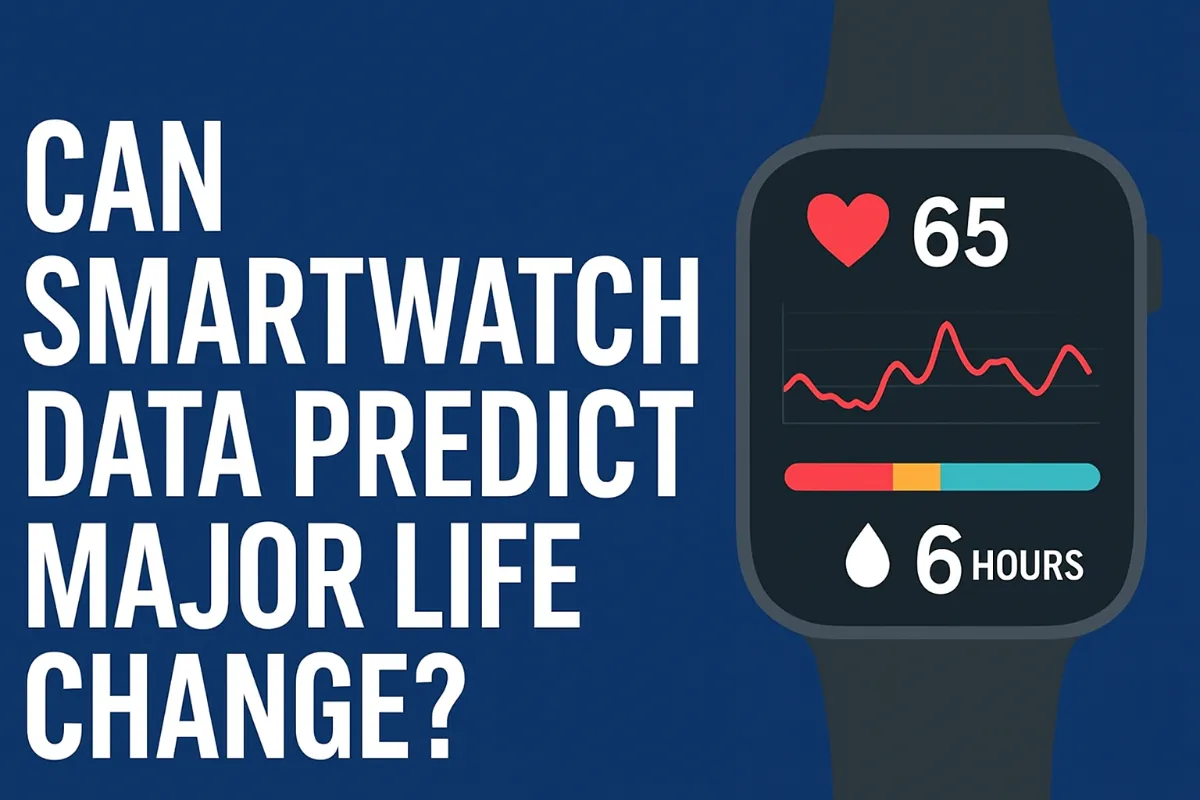
If you’ve ever looked at the data in your smartwatch and wondered, “Does this thing know more about me than I know about myself?”—you’re not alone. Many people feel confused and even overwhelmed when they see graphs about sleep, stress, steps, heart rate, and energy levels. And honestly, who wouldn’t? It can feel strange when a small device on your wrist seems to understand your mood, your habits, and even your health patterns better than you do. But here’s the good news—you don’t need to be a tech expert or a health professional to understand what your smartwatch is really trying to tell you. The truth is much simpler: your smartwatch isn’t predicting your future, but it is highlighting patterns that your daily routine might be too busy to notice. And when you understand those patterns, they can help you recognize early signs of major life changes long before they show up in your day-to-day life.
So what will you learn in this guide? You’ll understand how smartwatch data works in plain English. You’ll discover how things like heart rate, sleep, stress tracking, and activity levels can reveal shifts in your lifestyle, emotional state, or health. You’ll also learn how these patterns—when viewed over weeks or months—can sometimes hint at major changes like burnout, overtraining, lifestyle shifts, emotional transitions, or even early signs of health issues. Think of this as your friendly, supportive walkthrough of what smartwatches really know, what they don’t know, and how you can use all this information to make better decisions for your mind, body, and future.
Why Smartwatch Data Can Reveal More Than You Notice
Smartwatches collect information 24/7, even when you’re not paying attention. And because they track you over long periods of time, they can see things that you may not consciously realize. For example, a gradual increase in your resting heart rate might happen so slowly you don’t notice it—but your smartwatch will. A sudden drop in sleep quality might feel like “just a bad week”—but your smartwatch detects patterns across multiple nights. These small changes can add up to bigger insights.
When you start understanding the “why” behind your smartwatch metrics, everything becomes more meaningful. Your heart rate isn’t just a number—it reflects how your body is reacting to your lifestyle. Your sleep score is not just a rating—it represents recovery, stress, and emotional balance. Your step count isn’t about hitting 10,000 steps—it’s about your movement patterns across your entire week. All of this creates a digital mirror that reflects your health and habits.
How Smartwatches Track Patterns That Might Predict Change
When people talk about “predicting life changes,” they don’t mean the smartwatch knows your future. What it really does is identify patterns that often appear before something major happens. For example:
• A rising resting heart rate might show early signs of stress or burnout
• A sharp decrease in sleep quality might signal emotional tension
• A sudden increase in sedentary time might indicate lifestyle changes
• A drop in daily movement might show low mood or fatigue
• A shift in menstrual cycle predictions (for women) might reflect hormonal changes
• A consistent increase in stress readings might point to upcoming life pressure
When these patterns show up consistently, your smartwatch may alert you with warnings like “Your heart rate is unusually high today,” or “Your stress levels appear elevated.” These alerts aren’t predictions—they’re signals that your body is changing, and you might want to pay attention.
The Role of AI and Algorithms in Understanding You
Smartwatches use algorithms—not magic—to interpret your data. These algorithms compare your current information with your long-term baseline. That means your smartwatch knows what is “normal” for you and can detect when something becomes unusual. If your average sleep is 7 hours and suddenly you’re only getting 4 hours, the system will flag this. If your stress levels typically stay low and suddenly spike for days, it will notify you.
This comparison is what makes smartwatch suggestions feel “predictive.” The device isn’t guessing—it’s observing patterns over time and comparing them to your usual behavior. By doing this, it can highlight potential concerns early.
Real-World Examples of Smartwatch Data Predicting Life Changes
Many smartwatch users have experienced significant insights simply by paying attention to their data. Here are a few examples:
• People going through emotional stress saw their stress bar and heart rate variability drop weeks before they realized they were overwhelmed
• Athletes noticed overtraining syndrome because their resting heart rate increased and their sleep quality declined
• Students experienced burnout patterns where their smartwatch tracked poor sleep before major exams
• Office workers saw productivity dips reflected as decreased movement and increased stress alerts
• Some users even recognized early illness when their smartwatch detected elevated heart rate and reduced recovery score
These examples show that your smartwatch tracks changes that might otherwise go unnoticed.
The Most Important Smartwatch Metrics and What They Mean
To help you understand your data better, here’s a clear explanation of the most important smartwatch features:
• Resting Heart Rate (RHR): A measurement of your body’s baseline stress and health. Higher RHR often reflects fatigue, stress, or poor recovery.
• Heart Rate Variability (HRV): A powerful indicator of your stress resilience. Lower HRV often means your body is under strain.
• Sleep Stages: Tracks deep, light, and REM sleep. Poor deep sleep often points to stress or lifestyle imbalance.
• Stress Tracking: Uses skin temperature, heart rate changes, and movement to estimate your emotional and physical stress.
• Step Count and Activity Levels: These show your general lifestyle habits, not just your fitness.
• Energy or Recovery Score: Combines sleep, stress, and activity to show your overall readiness for the day.
When you understand these metrics, you stop feeling intimidated and start feeling empowered.
How Smartwatch Data Helps You Make Better Life Decisions
Smartwatches don’t replace your intuition—they strengthen it. They act like a gentle guide that helps you recognize patterns earlier. By reviewing your trends weekly or monthly, you can answer questions like:
• Am I becoming more stressed over time?
• Am I sleeping worse than last month?
• Is my energy improving or declining?
• Are my habits supporting my goals?
• Is my body trying to tell me something?
This awareness allows you to make small adjustments before big issues appear.
Conclusion
The idea that smartwatch data can predict major life changes may feel surprising at first, but once you understand how it actually works, it becomes clear. Your smartwatch doesn’t predict your future—it simply captures your present in a way that is detailed, honest, and consistent. It sees your patterns, your habits, your ups, and your downs. And when these patterns change, your smartwatch helps you notice before those changes feel overwhelming.
If you’ve ever felt confused by your data, don’t worry—you’re not alone. But now, you have the clarity to understand what those numbers really mean. You know how resting heart rate reflects stress, how sleep stages reveal your emotional balance, and how activity levels show your lifestyle shifts. This knowledge gives you the power to take control of your life, one insight at a time. So start paying attention to your trends, trust what your body is telling you, and let your smartwatch guide you toward a healthier, more intentional version of yourself—starting today.

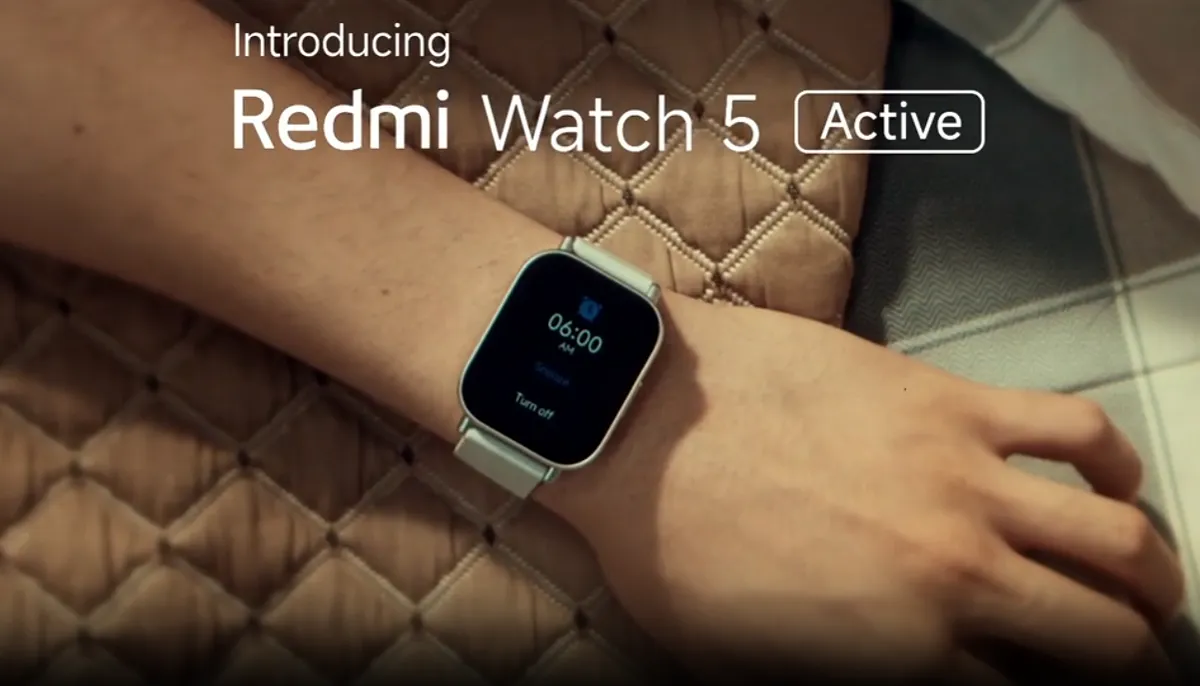
The smartwatch market is flooded with options, but finding a feature-packed yet affordable wearable can be challenging. Xiaomi’s Redmi Watch 5 Active enters the scene as a strong contender, promising premium features at a fraction of the cost of high-end brands.
But does it live up to expectations? In this in-depth review, we’ll examine its design, display, fitness tracking, smart features, battery life, and overall value to help you decide if it’s the right smartwatch for you.
1. Design & Build Quality: Sleek, Lightweight, and Practical
Aesthetics & Comfort:
- The Redmi Watch 5 Active sports a minimalist, modern design with a square-shaped dial, making it look more premium than its price suggests.
- The lightweight plastic body (just 36g) ensures comfort even during long wear.
- The silicone strap is soft, adjustable, and sweat-resistant—ideal for workouts.
Display Quality:
- 1.43-inch TFT LCD (320 x 360 pixels) – Bright and sharp enough for daily use.
- Touchscreen responsiveness is smooth, with minimal lag.
- Always-On Display (AOD) support (though it drains battery faster).
- 5ATM water resistance (can withstand swimming and showers).
Color Options:
Available in Black, Blue, Pink, and Ivory, catering to different style preferences.
2. Fitness & Health Tracking: A Solid Performer
Comprehensive Workout Modes:
- Supports 120+ sports modes, including:
- Running, cycling, swimming, HIIT, yoga, and more.
- Auto-workout detection (recognizes walking/running automatically).
Advanced Health Sensors:
- 24/7 Heart Rate Monitoring – Tracks resting and active heart rates.
- SpO2 (Blood Oxygen) Sensor – Useful for altitude training and health checks.
- Sleep Tracking – Analyzes deep, light, and REM sleep stages.
- Stress Monitoring – Helps manage daily stress levels.
GPS & Accuracy:
- Built-in GPS (not as precise as high-end watches but decent for runs/hikes).
- Syncs with Xiaomi Wear/Zepp app for detailed workout analysis.
3. Smart Features: Beyond Just Fitness
Notifications & Connectivity:
- Call, SMS, and app alerts (WhatsApp, Instagram, etc.) with quick replies (Android only).
- Music control (play/pause/skip tracks from your wrist).
- Camera shutter control – Great for group photos.
Additional Conveniences:
- Weather updates:
- Find My Phone feature
- Idle reminders (nudges you to move if inactive too long)
App Support & Customization:
- 100+ watch faces (downloadable via Xiaomi Wear app).
- Customizable quick settings (brightness, DND, etc.).
4. Battery Life: A Major Selling Point
- Up to 10 days on a single charge (with moderate use).
- Heavy usage (GPS + AOD) drains it in ~3-4 days.
- Fast charging (0-100% in ~2 hours).
5. Performance & Software Experience
- Smooth UI (better than older Redmi watches).
- Occasional lag when switching apps.
- Reliable syncing with Android/iOS (but some iOS features are limited).
6. Price & Competition: Is It Worth It?
Price Range: ₹3,000 – ₹4,500 (~$40-$60)
Competitors Compared
| Feature | Redmi Watch 5 Active | Amazfit Bip 5 | Realme Watch 3 |
|---|---|---|---|
| Display | 1.43″ LCD | 1.91″ LCD | 1.8″ LCD |
| GPS | Yes | Yes | No |
| Battery | 10 days | 10 days | 7 days |
| SpO2 | Yes | Yes | Yes |
| Price | ₹3,499 | ₹5,999 | ₹3,499 |
Verdict: If you want a budget-friendly smartwatch with solid features, the Redmi Watch 5 Active is a great pick. Ideal for fitness lovers and everyday users!
With a price tag of USD 55 million, the Graff Diamonds Hallucination is the most expensive watch in the world in 2025.

Redmi Watch 5 Active with 18 Days Battery Life
Luxury Watches Under 1 Lakh in India
Which is the most expensive watch in the world in 2025?
10 Affordable Luxury Watches in India – Rs.50,000 to Rs.1 lakh
Which Watch Virat Kohli Wears and its Cost? Virat Kohli Watch Collection
15 best apple watch straps to suit any style and occasion
Why Is Patek Philippe So Valuable?
📌 What is Facebook Campaign Bid Strategy?
Pincode targeting vs radius targeting which is good in Facebook ads

How Smartwatches Influence Discipline & Daily Routines: A Simple Guide to a More Organized You

MINIMALIST SETTINGS EVERY SMARTWATCH USER SHOULD TRY

PSYCHOLOGY BEHIND CHECKING YOUR WRIST
WRIST -BASED CONFIDENCE: HOW WEARABLES IMPROVE SELF – IMAGE

HOW SMARTWATCH SHAPE YOUR MORNING MOOD
NO

EVOLUTION OF SMARTWATCH

HOW YOUR SKIN ADAPTS TO SMARTWATCH SENSORS
How Smartwatches Influence Discipline & Daily Routines: A Simple Guide to a More Organized You
Why Is Patek Philippe So Valuable?

CAN SMARTWATCH DATA PREDICT MAJOR LIFE CHANGE ?
-

 Luxury Watches1 year ago
Top 10 Most Expensive Watches in India – Is Buying a Rs.1 Crore Watch Worth It?
-

 Smart Watches1 year ago
16 Best Smartwatches UNDER ₹1000 – Budget Smartwatch in India
-

 Luxury Watches1 year ago
Top 10 Ultra Luxury Watch Brands Worn by Billionaires
-

 Luxury Watches1 year ago
GST on Luxury Watches in India: A Complete Guide
-

 Luxury Watches1 year ago
Best Brand Watches for Men in India (2025)
-

 Smart Watches1 year ago
The Best Smartwatches Under ₹2000 in India for 2025: Your Ultimate Guide
-

 Smart Watches1 year ago
Fire‑Boltt Ring X Features: BT Calling, Battery, Display and Price
-

 News1 year ago
Redmi Watch Move: Features, Specs, Price, and Everything We Know So Far