
Uncategorized
EVOLUTION OF SMARTWATCH

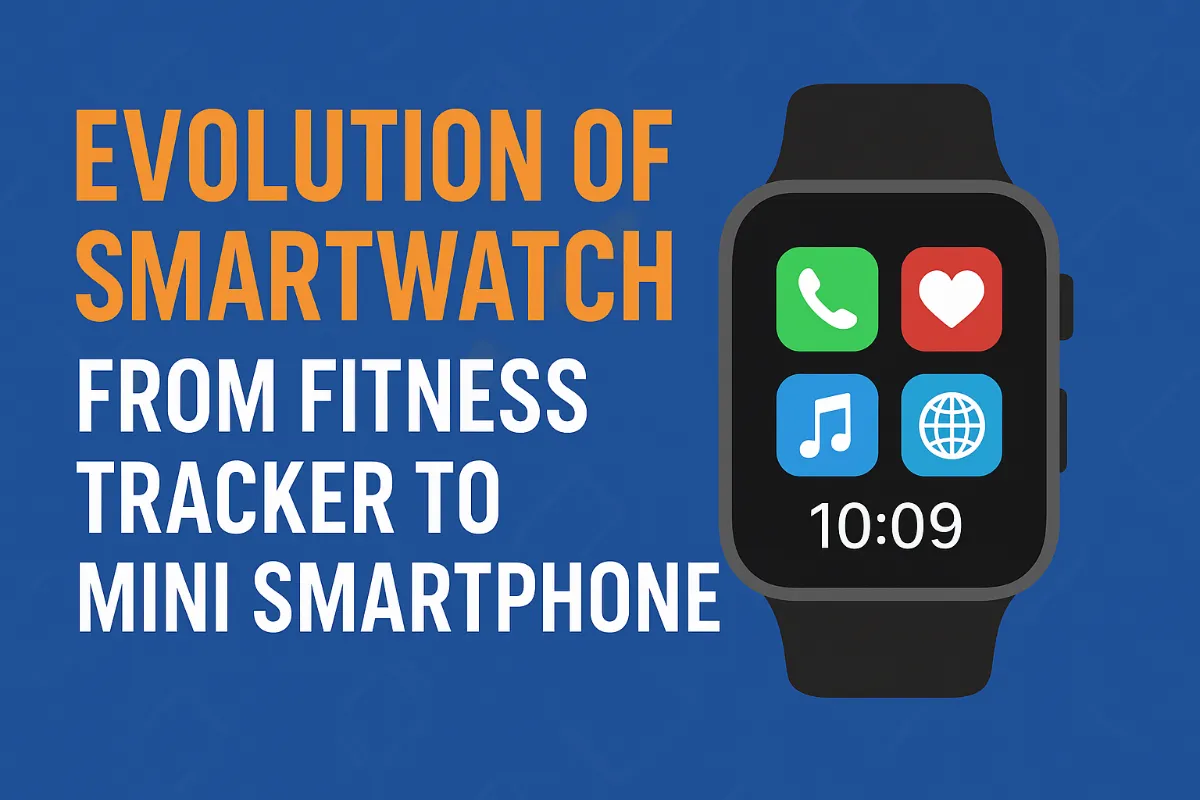
EVOLUTION OF SMARTWATCH
Evolution of Smartwatch: From Fitness Tracker to Mini Smartphone — A Beginner-Friendly Guide
Introduction: From Confusion to Clarity (1000 Words)
Have you ever looked at today’s smartwatches and thought, “How did this tiny device get so powerful?” Or maybe you’re planning to buy one but feel confused by all the features, terms, and choices — fitness tracking, Bluetooth calling, AMOLED display, ECG monitoring, GPS, AI voice assistance… and the list goes on.
If that sounds like you, you’re not alone.
Most people don’t realize how fast smartwatch technology has evolved. What started as a simple fitness tracker counting steps has now transformed into a mini smartphone on your wrist. Today’s smartwatches don’t just tell time — they track your health, manage notifications, allow calling, store music, guide workouts, and even monitor your stress levels.
But here’s the good part:
You don’t need to be a tech expert to understand it.
This guide is written exactly for beginners — young adults, college students, busy parents, or anyone who wants simple, honest insights without technical jargon.
In the next few minutes, you’ll discover:
- How smartwatches evolved from basic trackers to powerful mini smartphones.
- The features that transformed the smartwatch industry.
- Why this evolution matters for everyday users like you.
- How to use this knowledge to choose the right smartwatch.
Let’s start from the beginning — where it all started with step counting.
H2: The Humble Beginning — Smartwatches as Fitness Trackers
Before smartwatches became stylish, they were simple devices with a simple purpose: help people stay active.
In 2009–2012, companies like Fitbit and Jawbone introduced early wearables designed to track:
- Steps
- Calories burned
- Sleep patterns
- Basic activity levels
They looked more like rubber wristbands than watches. No apps. No calling. No fancy screens. Just pure fitness tracking.
H3: Why Fitness Tracking Was a Big Deal
Back then, people had no easy way to measure their daily activity. When users saw real numbers — like they took 5,000 or 10,000 steps — it changed their behavior.
Research published in The Lancet Digital Health found that fitness trackers helped people increase physical activity by up to 40 minutes more exercise per week. This sparked massive demand.
This success opened the door to a bigger idea:
What if the wristband could do more than track fitness?
H2: The Rise of the “Smart” Watch — Notifications, Apps & Touchscreens
Around 2014, technology brands like Samsung, Apple, and Motorola began transforming basic trackers into multi-functional smart devices.
The introduction of:
- Touchscreens
- Bluetooth connectivity
- App notifications
- Music control
- Customizable watch faces
…helped evolve the fitness tracker into an actual smartwatch.
Suddenly, you could see calls, messages, and app alerts without touching your phone. This was the start of smartwatches becoming productivity tools — not just fitness companions.
H3: Why Notifications Changed Everything
Imagine being in class, at the gym, or at work.
Instead of pulling out your phone every few minutes, your wrist vibrates and shows you exactly what you need to know. No distractions. No awkward phone-checking moments.
This convenience made smartwatches essential for students, professionals, and everyday users.
H2: Health Becomes the New Focus — Heart Monitoring & Wellness Features
While notifications were great, the real evolution happened when smartwatches became health companions.
Brands introduced advanced sensors that allowed smartwatches to track:
- Heart rate (PPG sensors)
- Blood oxygen levels (SpO₂)
- Stress levels through HRV analysis
- Sleep stages — light, deep, REM
- Workout recognition
- ECG (electrocardiogram) monitoring
The Apple Watch Series 4 featured an FDA-approved ECG app, allowing users to detect irregular heart rhythms like atrial fibrillation — a feature once available only in hospitals.
A study published in the New England Journal of Medicine confirmed its accuracy, making smartwatches a serious health tool, not just a gadget.
H3: Why Health Features Matter to Everyday Users
You don’t need to be a fitness freak.
You don’t need to be a doctor.
Just wearing a smartwatch helps you:
- Track daily activity
- Improve sleep
- Detect stress patterns
- Monitor overall health
- Stay accountable
It quietly works in the background, helping you build better habits without effort.
H2: The Turning Point — Smartwatches Become Mini Smartphones
This is where the real transformation happened.
Modern smartwatches now include:
- Bluetooth calling
- Built-in GPS
- Wi-Fi & LTE
- Voice assistants (Siri, Google, Alexa)
- NFC payments
- Offline music
- High-resolution AMOLED displays
- App support
- Fast charging
These features turned the smartwatch into a tiny smartphone — one you can wear.
H3: Bluetooth Calling — The Game Changer
Today, you can answer calls straight from your wrist — while jogging, cooking, driving, or walking. This single feature made smartwatches more practical than ever.
H3: GPS & Maps – Your Travel Companion
Built-in GPS means you can run, cycle, or travel without carrying your phone. Your watch tracks routes, distance, and pace accurately.
H3: Payments on the Go
NFC payments allow you to make purchases with a tap of your watch. No wallet. No phone. Just pure convenience.
H2: Why This Evolution Matters — Real Benefits for Everyday Users
The shift from fitness tracker to mini smartphone has made life easier in many ways:
H3: 1. Better Time Management
Receive selective notifications → reduce phone addiction → stay focused.
H3: 2. Stronger Health Awareness
Smart data helps users spot unhealthy patterns early.
H3: 3. Safety Features
Fall detection, SOS alerts, and GPS location sharing can save lives.
H3: 4. More Productivity
You can respond faster, stay organized, and manage your day smoothly.
H3: 5. Fitness & Habit Building
Daily reminders nudge you to drink water, walk more, sleep better, and stay active.
Conclusion
The evolution of smartwatches — from simple fitness trackers to powerful mini smartphones — shows how technology is becoming more personal, supportive, and impactful in daily life. Today, your wrist can track your health, manage your schedule, guide your workouts, handle your calls, and provide everything you need in one quick glance. And the best part? You don’t need technical knowledge to benefit from it.
If you’re planning to buy a smartwatch, understanding this evolution helps you choose confidently. You now know how far the technology has come — and which features truly matter for your lifestyle.
So take the first step. Explore your options, compare features, and pick the smartwatch that feels like the right companion for your journey. Your healthier, smarter, and more organized life starts with one device on your wrist — and that moment can begin today.

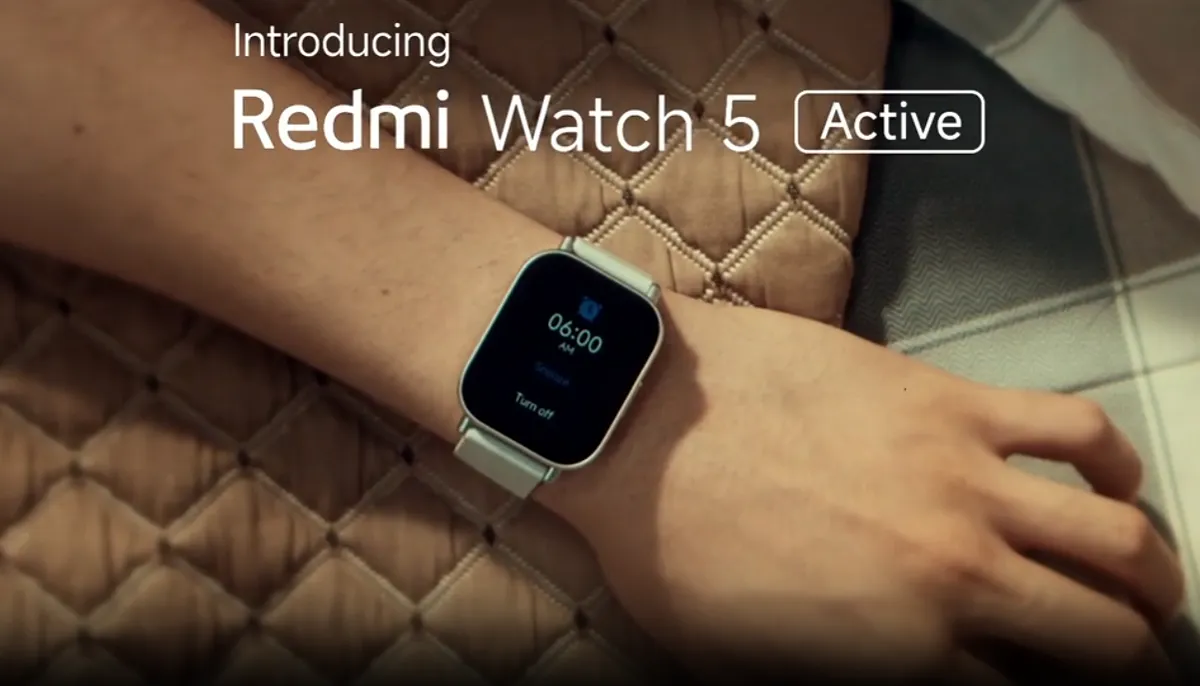
The smartwatch market is flooded with options, but finding a feature-packed yet affordable wearable can be challenging. Xiaomi’s Redmi Watch 5 Active enters the scene as a strong contender, promising premium features at a fraction of the cost of high-end brands.
But does it live up to expectations? In this in-depth review, we’ll examine its design, display, fitness tracking, smart features, battery life, and overall value to help you decide if it’s the right smartwatch for you.
1. Design & Build Quality: Sleek, Lightweight, and Practical
Aesthetics & Comfort:
- The Redmi Watch 5 Active sports a minimalist, modern design with a square-shaped dial, making it look more premium than its price suggests.
- The lightweight plastic body (just 36g) ensures comfort even during long wear.
- The silicone strap is soft, adjustable, and sweat-resistant—ideal for workouts.
Display Quality:
- 1.43-inch TFT LCD (320 x 360 pixels) – Bright and sharp enough for daily use.
- Touchscreen responsiveness is smooth, with minimal lag.
- Always-On Display (AOD) support (though it drains battery faster).
- 5ATM water resistance (can withstand swimming and showers).
Color Options:
Available in Black, Blue, Pink, and Ivory, catering to different style preferences.
2. Fitness & Health Tracking: A Solid Performer
Comprehensive Workout Modes:
- Supports 120+ sports modes, including:
- Running, cycling, swimming, HIIT, yoga, and more.
- Auto-workout detection (recognizes walking/running automatically).
Advanced Health Sensors:
- 24/7 Heart Rate Monitoring – Tracks resting and active heart rates.
- SpO2 (Blood Oxygen) Sensor – Useful for altitude training and health checks.
- Sleep Tracking – Analyzes deep, light, and REM sleep stages.
- Stress Monitoring – Helps manage daily stress levels.
GPS & Accuracy:
- Built-in GPS (not as precise as high-end watches but decent for runs/hikes).
- Syncs with Xiaomi Wear/Zepp app for detailed workout analysis.
3. Smart Features: Beyond Just Fitness
Notifications & Connectivity:
- Call, SMS, and app alerts (WhatsApp, Instagram, etc.) with quick replies (Android only).
- Music control (play/pause/skip tracks from your wrist).
- Camera shutter control – Great for group photos.
Additional Conveniences:
- Weather updates:
- Find My Phone feature
- Idle reminders (nudges you to move if inactive too long)
App Support & Customization:
- 100+ watch faces (downloadable via Xiaomi Wear app).
- Customizable quick settings (brightness, DND, etc.).
4. Battery Life: A Major Selling Point
- Up to 10 days on a single charge (with moderate use).
- Heavy usage (GPS + AOD) drains it in ~3-4 days.
- Fast charging (0-100% in ~2 hours).
5. Performance & Software Experience
- Smooth UI (better than older Redmi watches).
- Occasional lag when switching apps.
- Reliable syncing with Android/iOS (but some iOS features are limited).
6. Price & Competition: Is It Worth It?
Price Range: ₹3,000 – ₹4,500 (~$40-$60)
Competitors Compared
| Feature | Redmi Watch 5 Active | Amazfit Bip 5 | Realme Watch 3 |
|---|---|---|---|
| Display | 1.43″ LCD | 1.91″ LCD | 1.8″ LCD |
| GPS | Yes | Yes | No |
| Battery | 10 days | 10 days | 7 days |
| SpO2 | Yes | Yes | Yes |
| Price | ₹3,499 | ₹5,999 | ₹3,499 |
Verdict: If you want a budget-friendly smartwatch with solid features, the Redmi Watch 5 Active is a great pick. Ideal for fitness lovers and everyday users!
With a price tag of USD 55 million, the Graff Diamonds Hallucination is the most expensive watch in the world in 2025.

Redmi Watch 5 Active with 18 Days Battery Life
Luxury Watches Under 1 Lakh in India
Which is the most expensive watch in the world in 2025?
10 Affordable Luxury Watches in India – Rs.50,000 to Rs.1 lakh
Which Watch Virat Kohli Wears and its Cost? Virat Kohli Watch Collection
15 best apple watch straps to suit any style and occasion
Why Is Patek Philippe So Valuable?
📌 What is Facebook Campaign Bid Strategy?
Pincode targeting vs radius targeting which is good in Facebook ads

How Smartwatches Influence Discipline & Daily Routines: A Simple Guide to a More Organized You

MINIMALIST SETTINGS EVERY SMARTWATCH USER SHOULD TRY

PSYCHOLOGY BEHIND CHECKING YOUR WRIST

HOW SMARTWATCH SHAPE YOUR MORNING MOOD
NO

HOW YOUR SKIN ADAPTS TO SMARTWATCH SENSORS
Why Is Patek Philippe So Valuable?

CAN SMARTWATCH DATA PREDICT MAJOR LIFE CHANGE ?
WRIST -BASED CONFIDENCE: HOW WEARABLES IMPROVE SELF – IMAGE
15 best apple watch straps to suit any style and occasion

THE NEXT BREAKTHROUGH SENSORS COMING TO YOUR WRIST
-

 Luxury Watches1 year ago
Top 10 Most Expensive Watches in India – Is Buying a Rs.1 Crore Watch Worth It?
-

 Smart Watches1 year ago
16 Best Smartwatches UNDER ₹1000 – Budget Smartwatch in India
-

 Luxury Watches1 year ago
Top 10 Ultra Luxury Watch Brands Worn by Billionaires
-

 Luxury Watches1 year ago
GST on Luxury Watches in India: A Complete Guide
-

 Luxury Watches1 year ago
Best Brand Watches for Men in India (2025)
-

 Smart Watches1 year ago
The Best Smartwatches Under ₹2000 in India for 2025: Your Ultimate Guide
-

 Smart Watches1 year ago
Fire‑Boltt Ring X Features: BT Calling, Battery, Display and Price
-

 News1 year ago
Redmi Watch Move: Features, Specs, Price, and Everything We Know So Far