
Uncategorized
HOW YOUR SKIN ADAPTS TO SMARTWATCH SENSORS

Introduction
Have you ever wondered why your smartwatch seems to work better over time? Maybe you noticed the heart-rate readings becoming more accurate, your sleep tracking improving, or the sensors responding faster than when you first bought it. Most people never think about this, but your skin actually adapts to smartwatch sensors. It silently adjusts, learns, and forms a stable connection with your device—without you even noticing. And this process plays a huge role in how accurate your smartwatch data becomes.
If you’re someone who’s new to smartwatches, or maybe you’re planning to buy one soon, this topic can feel a little confusing. “Does my skin really adapt? Why would that even happen? Is it safe?” These questions are completely normal. You’re not alone. Most new smartwatch users never consider how their own body interacts with wearable technology. But understanding this simple concept can completely change how you use your device and help you get more accurate results from features like heart-rate tracking, stress monitoring, skin temperature analysis, and more.
The good news? You don’t need any technical knowledge. This guide will walk you through everything in plain, simple language. By the end of this blog, you will understand how smartwatch sensors work, how your skin adjusts to them naturally, why the adaptation matters, and how to optimize everything for better health data. Think of this as your friendly, expert breakdown of the hidden relationship between your skin and your smartwatch.
Why Smartwatch Sensors Need Your Skin
Smartwatch sensors like heart-rate monitors, SpO₂ detectors, and skin temperature sensors all depend on close contact with your skin. They use technologies like PPG (photoplethysmography), which measures tiny changes in blood flow under your skin using light. But for the sensors to read your data accurately, they must have a clean, consistent connection to your skin.
If the connection is poor, you may see:
• inaccurate heart-rate readings
• inconsistent sleep data
• false stress alerts
• erratic blood oxygen readings
• unnecessary battery drain
This is why “skin adaptation” matters—it’s your body creating the perfect environment for these sensors to work correctly.
Micro-Adjustment 1: Stable Surface Contact
Your skin slightly molds to the watch strap and the sensor base. Not in any harmful way—just enough to create a smoother, snug interface. This reduces gaps, improving signal accuracy.
Micro-Adjustment 2: Blood Flow Balancing
When worn consistently, your skin adjusts blood flow distribution, making PPG readings more accurate. No, this does not change your health—it simply helps the sensor detect patterns more easily.
Micro-Adjustment 3: Reduced Initial Sensitivity
Some new users feel mild itching or warmth for the first few days. This happens because your skin is getting used to pressure, material, and temperature changes. With regular wear, the skin normalizes and becomes more tolerant.
Micro-Adjustment 4: Moisture and Temperature Regulation
Smartwatch sensors read better when your skin maintains a stable moisture level and temperature. Over time, your skin naturally becomes more consistent under the watch, which improves readings like skin temp, HRV, and stress levels.
Why Consistent Wear Improves Smartwatch Data
If you’ve ever wondered why your smartwatch becomes more accurate after a week or two, here’s the simple truth:
your skin and your sensors finally understand each other.
The benefits of this adaptation include:
• smoother heart-rate tracking
• better calorie estimates
• more accurate sleep stages
• improved stress detection
• more reliable workout measurements
• consistent skin temperature trends
This is why most smartwatch brands recommend wearing the device for at least 14 days for the most accurate insights.
Common Problems That Happen Before the Skin Fully Adapts
If you’re new to smartwatch usage, you might face a few problems in the beginning. They are completely normal and temporary.
Problem 1: Patchy Sensor Readings
Before your skin adapts, you may see inconsistent spikes or dips.
Problem 2: Wrist Marks
This usually happens if your strap is too tight. Slight redness is normal at first, but deep marks mean you need to loosen it.
Problem 3: Inaccurate Stress or HR Tracking
Your smartwatch may misinterpret noise or movement as stress or elevated heart rate. This improves after consistent and correct wear.
Problem 4: Sensor Not Detecting Skin
Sometimes it flashes “No skin detected.” This is usually fixed after the skin establishes a smoother interface.
Tips to Help Your Skin Adapt Faster to Smartwatch Sensors
Here’s how to make your transition smoother and help your smartwatch give better data:
• Wear the watch at least 8–10 hours daily for the first week
• Keep the strap snug, not tight—two fingers should fit under it
• Clean the sensors and the wrist area regularly
• Avoid wearing it too loosely during workouts
• Give your skin a daily break—especially overnight if needed
• Switch wrists occasionally to avoid irritation
• Choose hypoallergenic straps if you have sensitive skin
These simple steps dramatically improve smartwatch data accuracy.
How Smartwatch Companies Design Sensors to Work with Your Skin
Companies like Apple, Samsung, Garmin, and Fitbit spend millions researching bio-compatibility—how technology interacts with human skin. Their sensors are built using safe, skin-friendly materials like ceramic, sapphire, and medical-grade silicone to ensure long-term comfort.
Here’s what modern smartwatch sensors are designed to do:
• adjust light intensity automatically
• detect skin tone and adapt readings
• respond better to movement
• reduce false alerts
• maintain accuracy even when sweating
Your skin’s natural adaptation combined with modern sensor design leads to the accurate smartwatch data users expect today.
In such cases, simply switching to a nylon, silicone, or fabric strap usually fixes the problem instantly.
If you’re planning to buy a smartwatch or you just started wearing one, give yourself and your skin a little time. Be patient, follow simple wear guidelines, and let the adaptation process happen naturally. Start today—because the more consistently you wear your smartwatch, the more accurate and meaningful your health insights will become.

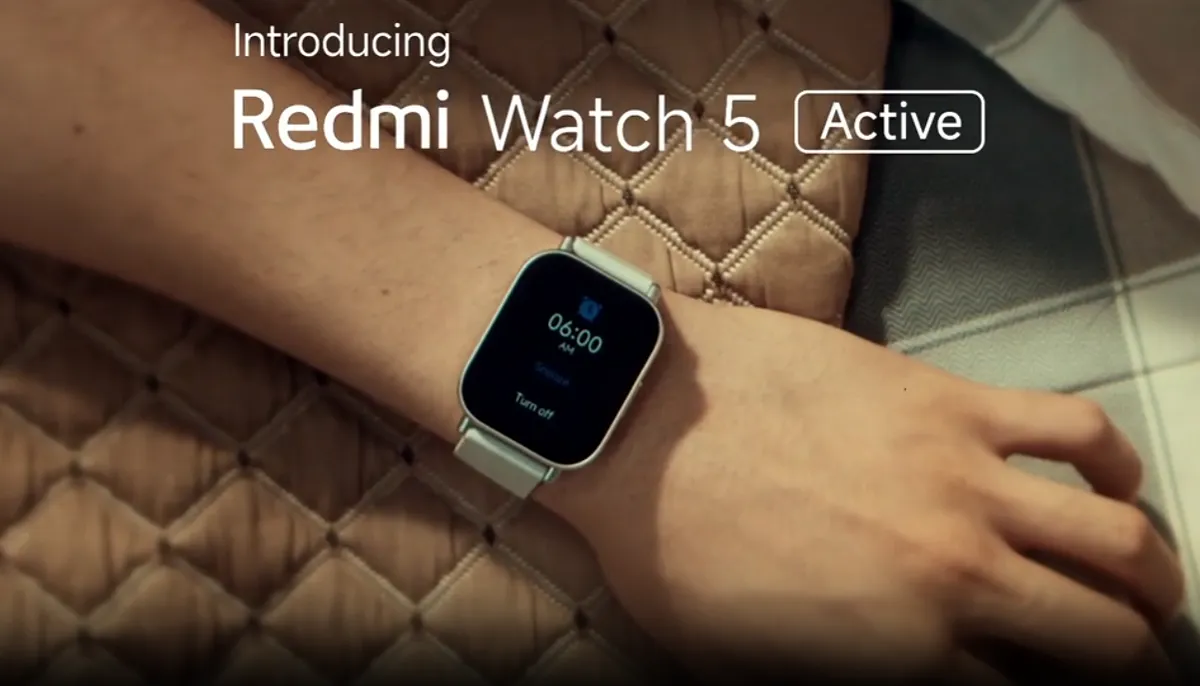
The smartwatch market is flooded with options, but finding a feature-packed yet affordable wearable can be challenging. Xiaomi’s Redmi Watch 5 Active enters the scene as a strong contender, promising premium features at a fraction of the cost of high-end brands.
But does it live up to expectations? In this in-depth review, we’ll examine its design, display, fitness tracking, smart features, battery life, and overall value to help you decide if it’s the right smartwatch for you.
1. Design & Build Quality: Sleek, Lightweight, and Practical
Aesthetics & Comfort:
- The Redmi Watch 5 Active sports a minimalist, modern design with a square-shaped dial, making it look more premium than its price suggests.
- The lightweight plastic body (just 36g) ensures comfort even during long wear.
- The silicone strap is soft, adjustable, and sweat-resistant—ideal for workouts.
Display Quality:
- 1.43-inch TFT LCD (320 x 360 pixels) – Bright and sharp enough for daily use.
- Touchscreen responsiveness is smooth, with minimal lag.
- Always-On Display (AOD) support (though it drains battery faster).
- 5ATM water resistance (can withstand swimming and showers).
Color Options:
Available in Black, Blue, Pink, and Ivory, catering to different style preferences.
2. Fitness & Health Tracking: A Solid Performer
Comprehensive Workout Modes:
- Supports 120+ sports modes, including:
- Running, cycling, swimming, HIIT, yoga, and more.
- Auto-workout detection (recognizes walking/running automatically).
Advanced Health Sensors:
- 24/7 Heart Rate Monitoring – Tracks resting and active heart rates.
- SpO2 (Blood Oxygen) Sensor – Useful for altitude training and health checks.
- Sleep Tracking – Analyzes deep, light, and REM sleep stages.
- Stress Monitoring – Helps manage daily stress levels.
GPS & Accuracy:
- Built-in GPS (not as precise as high-end watches but decent for runs/hikes).
- Syncs with Xiaomi Wear/Zepp app for detailed workout analysis.
3. Smart Features: Beyond Just Fitness
Notifications & Connectivity:
- Call, SMS, and app alerts (WhatsApp, Instagram, etc.) with quick replies (Android only).
- Music control (play/pause/skip tracks from your wrist).
- Camera shutter control – Great for group photos.
Additional Conveniences:
- Weather updates:
- Find My Phone feature
- Idle reminders (nudges you to move if inactive too long)
App Support & Customization:
- 100+ watch faces (downloadable via Xiaomi Wear app).
- Customizable quick settings (brightness, DND, etc.).
4. Battery Life: A Major Selling Point
- Up to 10 days on a single charge (with moderate use).
- Heavy usage (GPS + AOD) drains it in ~3-4 days.
- Fast charging (0-100% in ~2 hours).
5. Performance & Software Experience
- Smooth UI (better than older Redmi watches).
- Occasional lag when switching apps.
- Reliable syncing with Android/iOS (but some iOS features are limited).
6. Price & Competition: Is It Worth It?
Price Range: ₹3,000 – ₹4,500 (~$40-$60)
Competitors Compared
| Feature | Redmi Watch 5 Active | Amazfit Bip 5 | Realme Watch 3 |
|---|---|---|---|
| Display | 1.43″ LCD | 1.91″ LCD | 1.8″ LCD |
| GPS | Yes | Yes | No |
| Battery | 10 days | 10 days | 7 days |
| SpO2 | Yes | Yes | Yes |
| Price | ₹3,499 | ₹5,999 | ₹3,499 |
Verdict: If you want a budget-friendly smartwatch with solid features, the Redmi Watch 5 Active is a great pick. Ideal for fitness lovers and everyday users!
With a price tag of USD 55 million, the Graff Diamonds Hallucination is the most expensive watch in the world in 2025.

Redmi Watch 5 Active with 18 Days Battery Life
Luxury Watches Under 1 Lakh in India
Which is the most expensive watch in the world in 2025?
10 Affordable Luxury Watches in India – Rs.50,000 to Rs.1 lakh
Which Watch Virat Kohli Wears and its Cost? Virat Kohli Watch Collection
15 best apple watch straps to suit any style and occasion
Why Is Patek Philippe So Valuable?
📌 What is Facebook Campaign Bid Strategy?
Pincode targeting vs radius targeting which is good in Facebook ads

How Smartwatches Influence Discipline & Daily Routines: A Simple Guide to a More Organized You

MINIMALIST SETTINGS EVERY SMARTWATCH USER SHOULD TRY

CAN SMARTWATCH DATA PREDICT MAJOR LIFE CHANGE ?

PSYCHOLOGY BEHIND CHECKING YOUR WRIST
WRIST -BASED CONFIDENCE: HOW WEARABLES IMPROVE SELF – IMAGE

HOW SMARTWATCH SHAPE YOUR MORNING MOOD
NO

EVOLUTION OF SMARTWATCH

HOW YOUR SKIN ADAPTS TO SMARTWATCH SENSORS
How Smartwatches Influence Discipline & Daily Routines: A Simple Guide to a More Organized You
Why Is Patek Philippe So Valuable?
-

 Luxury Watches1 year ago
Top 10 Most Expensive Watches in India – Is Buying a Rs.1 Crore Watch Worth It?
-

 Smart Watches1 year ago
16 Best Smartwatches UNDER ₹1000 – Budget Smartwatch in India
-

 Luxury Watches1 year ago
Top 10 Ultra Luxury Watch Brands Worn by Billionaires
-

 Luxury Watches1 year ago
GST on Luxury Watches in India: A Complete Guide
-

 Luxury Watches1 year ago
Best Brand Watches for Men in India (2025)
-

 Smart Watches1 year ago
The Best Smartwatches Under ₹2000 in India for 2025: Your Ultimate Guide
-

 Smart Watches1 year ago
Fire‑Boltt Ring X Features: BT Calling, Battery, Display and Price
-

 News1 year ago
Redmi Watch Move: Features, Specs, Price, and Everything We Know So Far