
Uncategorized
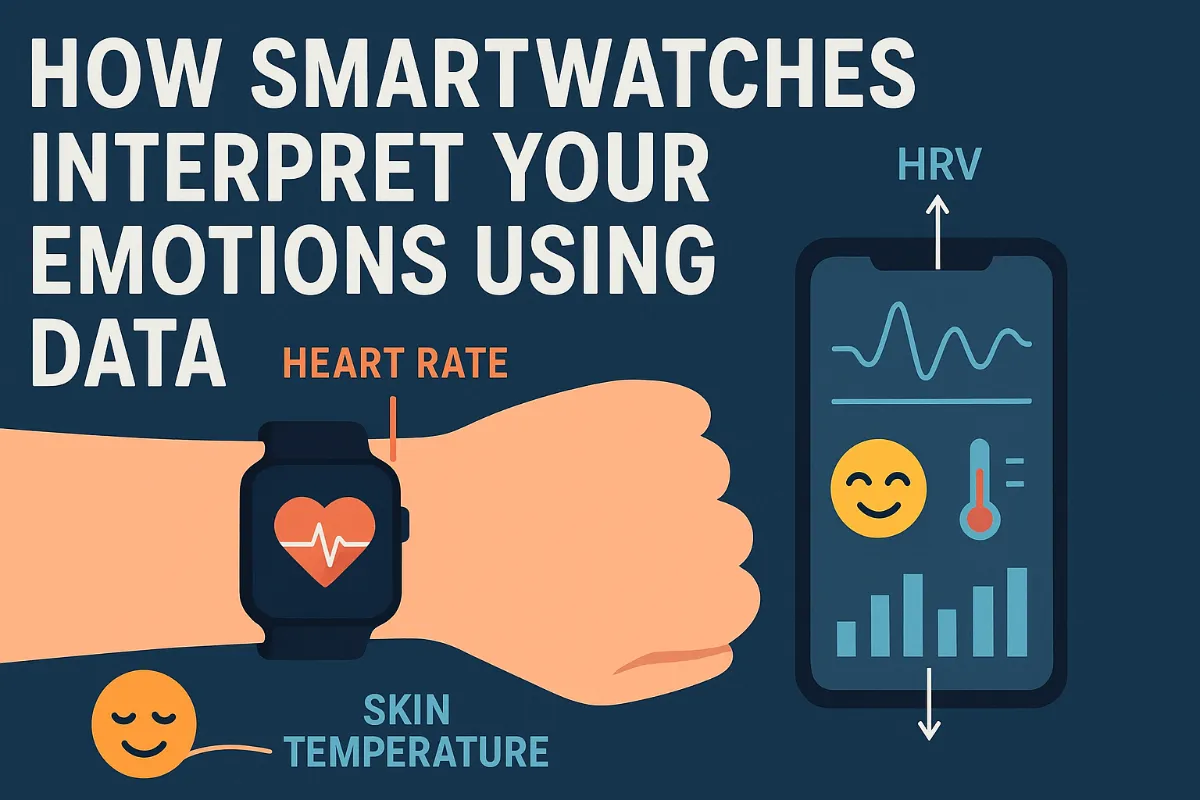
HOW SMARTWATCH INTERPRET YOUR EMOTIONS USING DATA

Introduction
Have you ever had a day where you felt stressed, tired, or overwhelmed — and suddenly your smartwatch buzzed with a notification like “Take a deep breath” or “Your stress level seems high”? It feels almost like your watch can sense what you’re going through before you even say it out loud. And if you’ve ever wondered how that tiny device strapped to your wrist understands your emotions more clearly than some people do, you’re not alone. Many smartwatch users feel amazed — and sometimes confused — about how emotion tracking actually works. Is the watch guessing? Is it reading your heart? Or is there real science behind it?
Here’s the good news: You don’t need a technical background to understand it. And no, your smartwatch isn’t magically reading your mind. But what it is doing is far more fascinating. Modern smartwatches combine Smartwatch Data, sensors, algorithms, and patterns from your daily life to interpret how you feel — with surprising accuracy. This article will break down the entire process in the simplest, clearest way possible. By the end, you’ll understand why your smartwatch is far more powerful than you think, how it reads emotional cues from your body, and how you can use this technology to improve your mental wellness.
Why Smartwatch Emotion Tracking Matters
Let’s be honest: Life today moves fast. Between college, work, family, planning your future, and constantly staying connected online, it’s easy to lose track of your emotions. You may push through stress without realizing how much it affects your body. That’s where smartwatches step in — not as mind readers, but as pattern observers. They look at your physical signals and compare them to emotional patterns collected from thousands of users worldwide. So when your smartwatch detects stress, anxiety, calmness, or excitement, it’s using proven science — and not assumptions.
What Makes Emotion Tracking Possible?
Most people think smartwatches only track steps or heart rate, but inside that small device are multiple sensors working together like a mini health lab. These sensors include:
• Heart Rate Sensor: Measures how fast your heart beats
• HRV Sensor (Heart Rate Variability): Measures tiny changes between heartbeats
• Skin Temperature Sensor: Tracks heat changes based on stress or relaxation
• EDA Sensor (Electrodermal Activity): Measures sweat levels linked to emotional arousal
• Accelerometer and Gyroscope: Detect body movement patterns tied to mood
• Blood Oxygen Sensor: Helps track emotional and physical changes
These sensors constantly collect Smartwatch Data, even when you’re not doing anything. It’s like your watch quietly takes notes on your body’s reactions — 24/7.
How Smartwatches Interpret Your Emotions Using Data
Your emotions affect your body in measurable ways. When you feel stressed, your heart beats faster. When you’re anxious, your palms sweat more. When you’re relaxed, your breathing slows. Smartwatches look at these patterns and compare them to known emotional signals. Think of it like this: If your heart rate suddenly jumps, your HRV drops, your skin temperature rises, and your movement becomes jittery, your watch knows something is off. It doesn’t know the exact situation, but it knows the body pattern of stress. This is how it picks up on emotional shifts.
Understanding Heart Rate Variability
If there is one metric that reveals your emotional state, it’s HRV — Heart Rate Variability. In simple words, HRV shows how flexible your heart is. High HRV = calm. Low HRV = stress. Smartwatches constantly observe your HRV to identify mood changes. Scientific research from Harvard Medical School has shown that HRV is one of the most accurate biomarkers of emotional health. When your HRV suddenly drops, your watch can detect early signs of stress even before you consciously feel it.
Electrodermal Activity and Emotional Response
Some advanced smartwatches include EDA sensors. These sensors analyze sweat gland activity, which is directly linked to your nervous system. When you experience emotions — especially strong ones — sweat gland activity increases even if you’re not physically sweating. This tiny change is instantly picked up by the watch, helping it interpret your emotional reaction.
Micro-Movements Reveal How You Feel
Gyroscopes and accelerometers inside your smartwatch measure the way you move. For example:
• Slow, heavy steps may indicate low energy or sadness
• Quick, sharp movements may signal stress or urgency
• Very relaxed movement patterns often align with calmness
This movement behavior, combined with heart rate and temperature, creates a full emotional picture.
How Smartwatches Combine All This Information
Emotion detection isn’t based on one metric. Instead, your watch blends all the data together:
• Heart rate
• HRV
• Sleep quality
• Movement patterns
• Breathing rate
• Skin temperature
Then it uses machine learning to recognize emotional signatures. Over time, your smartwatch becomes even more accurate because it learns your personal patterns. It doesn’t compare you to other people — it compares you to you.
Cases Where Smartwatch Emotion Tracking Helps
Emotion detection can be a powerful tool, especially for:
• Students dealing with study pressure
• Employees facing workplace stress
• Solo travelers experiencing anxiety
• People with unpredictable emotional changes
• Individuals wanting to improve mental health
Smartwatch features like stress alerts, guided breathing, sleep analysis, and mindfulness reminders are designed to support your emotional well-being.
How Accurate Are Smartwatch Emotion Tools?
Smartwatches are not perfect. They cannot read complex emotions like guilt, jealousy, or deep sadness. However, they are surprisingly accurate at detecting stress, excitement, relaxation, and fatigue. Studies published in the Journal of Medical Internet Research show that smartwatch-based emotional detection systems can reach up to 85% accuracy in identifying stress. This is not a replacement for professional help, but it’s incredibly useful for everyday emotional awareness.
Using Smartwatch Emotion Data To Improve Your Life
When your watch says you’re stressed, it’s not judging you — it’s guiding you. You can use that information to:
• Take breathing breaks
• Adjust your workload
• Improve your sleep schedule
• Understand emotional triggers
• Track your long-term emotional patterns
Over time, these small steps can create big improvements in your mental and emotional health.
Conclusion
Smartwatches can’t read your mind, but they can read your body — and your body always speaks the truth. Through heart rate patterns, temperature changes, stress signals, and micro-movements, smartwatches interpret your emotional state with surprising accuracy. This isn’t magic or guesswork — it’s science, data, and your own physiological patterns working together. By understanding how your smartwatch reads your emotions, you gain more control over your mental health, your habits, and your daily well-being. Start paying attention to the emotional insights your smartwatch gives you. Those tiny notifications could be the beginning of a calmer, healthier, and more balanced version of you.

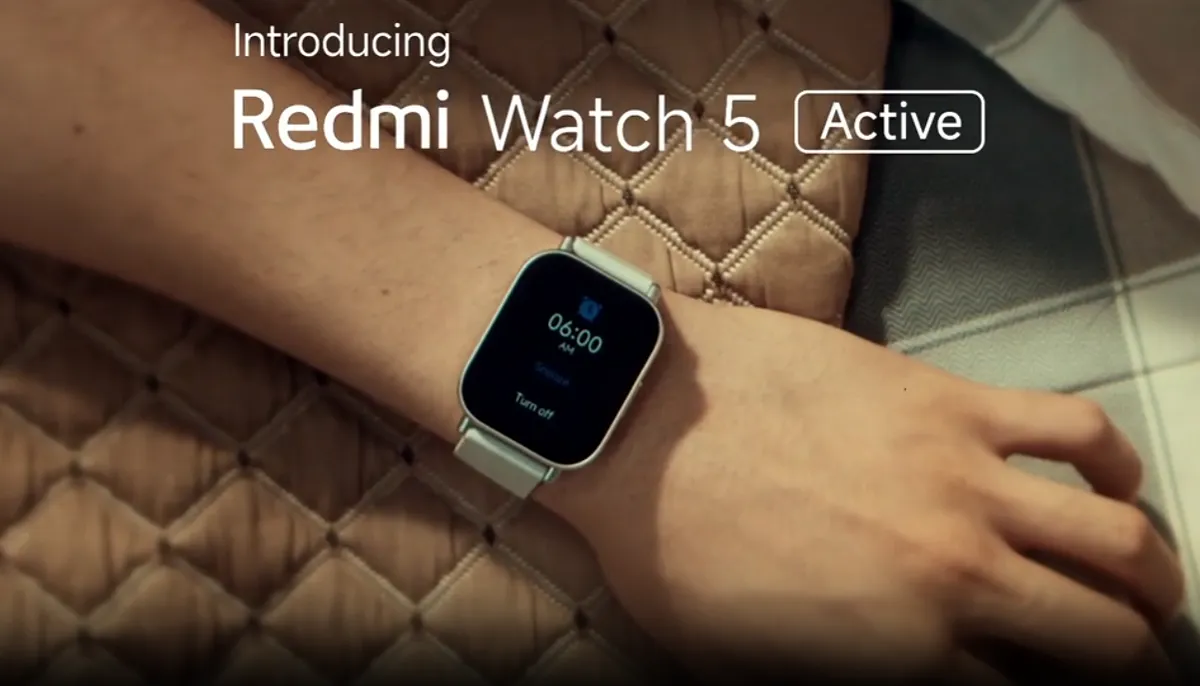
The smartwatch market is flooded with options, but finding a feature-packed yet affordable wearable can be challenging. Xiaomi’s Redmi Watch 5 Active enters the scene as a strong contender, promising premium features at a fraction of the cost of high-end brands.
But does it live up to expectations? In this in-depth review, we’ll examine its design, display, fitness tracking, smart features, battery life, and overall value to help you decide if it’s the right smartwatch for you.
1. Design & Build Quality: Sleek, Lightweight, and Practical
Aesthetics & Comfort:
- The Redmi Watch 5 Active sports a minimalist, modern design with a square-shaped dial, making it look more premium than its price suggests.
- The lightweight plastic body (just 36g) ensures comfort even during long wear.
- The silicone strap is soft, adjustable, and sweat-resistant—ideal for workouts.
Display Quality:
- 1.43-inch TFT LCD (320 x 360 pixels) – Bright and sharp enough for daily use.
- Touchscreen responsiveness is smooth, with minimal lag.
- Always-On Display (AOD) support (though it drains battery faster).
- 5ATM water resistance (can withstand swimming and showers).
Color Options:
Available in Black, Blue, Pink, and Ivory, catering to different style preferences.
2. Fitness & Health Tracking: A Solid Performer
Comprehensive Workout Modes:
- Supports 120+ sports modes, including:
- Running, cycling, swimming, HIIT, yoga, and more.
- Auto-workout detection (recognizes walking/running automatically).
Advanced Health Sensors:
- 24/7 Heart Rate Monitoring – Tracks resting and active heart rates.
- SpO2 (Blood Oxygen) Sensor – Useful for altitude training and health checks.
- Sleep Tracking – Analyzes deep, light, and REM sleep stages.
- Stress Monitoring – Helps manage daily stress levels.
GPS & Accuracy:
- Built-in GPS (not as precise as high-end watches but decent for runs/hikes).
- Syncs with Xiaomi Wear/Zepp app for detailed workout analysis.
3. Smart Features: Beyond Just Fitness
Notifications & Connectivity:
- Call, SMS, and app alerts (WhatsApp, Instagram, etc.) with quick replies (Android only).
- Music control (play/pause/skip tracks from your wrist).
- Camera shutter control – Great for group photos.
Additional Conveniences:
- Weather updates:
- Find My Phone feature
- Idle reminders (nudges you to move if inactive too long)
App Support & Customization:
- 100+ watch faces (downloadable via Xiaomi Wear app).
- Customizable quick settings (brightness, DND, etc.).
4. Battery Life: A Major Selling Point
- Up to 10 days on a single charge (with moderate use).
- Heavy usage (GPS + AOD) drains it in ~3-4 days.
- Fast charging (0-100% in ~2 hours).
5. Performance & Software Experience
- Smooth UI (better than older Redmi watches).
- Occasional lag when switching apps.
- Reliable syncing with Android/iOS (but some iOS features are limited).
6. Price & Competition: Is It Worth It?
Price Range: ₹3,000 – ₹4,500 (~$40-$60)
Competitors Compared
| Feature | Redmi Watch 5 Active | Amazfit Bip 5 | Realme Watch 3 |
|---|---|---|---|
| Display | 1.43″ LCD | 1.91″ LCD | 1.8″ LCD |
| GPS | Yes | Yes | No |
| Battery | 10 days | 10 days | 7 days |
| SpO2 | Yes | Yes | Yes |
| Price | ₹3,499 | ₹5,999 | ₹3,499 |
Verdict: If you want a budget-friendly smartwatch with solid features, the Redmi Watch 5 Active is a great pick. Ideal for fitness lovers and everyday users!
With a price tag of USD 55 million, the Graff Diamonds Hallucination is the most expensive watch in the world in 2025.

Redmi Watch 5 Active with 18 Days Battery Life
Luxury Watches Under 1 Lakh in India
Which is the most expensive watch in the world in 2025?
10 Affordable Luxury Watches in India – Rs.50,000 to Rs.1 lakh
Which Watch Virat Kohli Wears and its Cost? Virat Kohli Watch Collection
15 best apple watch straps to suit any style and occasion
Why Is Patek Philippe So Valuable?
📌 What is Facebook Campaign Bid Strategy?
Pincode targeting vs radius targeting which is good in Facebook ads

How Smartwatches Influence Discipline & Daily Routines: A Simple Guide to a More Organized You

PSYCHOLOGY BEHIND CHECKING YOUR WRIST
15 best apple watch straps to suit any style and occasion

THE NEXT BREAKTHROUGH SENSORS COMING TO YOUR WRIST

How Smartwatches Have Become a New-Class Accessory

HOW SMARTWATCH SHAPE YOUR MORNING MOOD

WHAT SMARTWATCH WILL LOOK LIKE IN 2050

THE SOCIAL IDENTITY OF SMARTWATCH USERS IN MODERN SOCIETY
USING YOUR SMARTWATCH AS A LIFE IMPROVEMENT COACH
Which is the most expensive watch in the world in 2025?

THE HIDDEN SLEEP PATTERNS SMARTWATCHES CAN REVEAL
-

 Luxury Watches1 year ago
Top 10 Most Expensive Watches in India – Is Buying a Rs.1 Crore Watch Worth It?
-

 Smart Watches1 year ago
16 Best Smartwatches UNDER ₹1000 – Budget Smartwatch in India
-

 Luxury Watches1 year ago
Top 10 Ultra Luxury Watch Brands Worn by Billionaires
-

 Luxury Watches1 year ago
GST on Luxury Watches in India: A Complete Guide
-

 Luxury Watches1 year ago
Best Brand Watches for Men in India (2025)
-

 Smart Watches1 year ago
The Best Smartwatches Under ₹2000 in India for 2025: Your Ultimate Guide
-

 Smart Watches1 year ago
Fire‑Boltt Ring X Features: BT Calling, Battery, Display and Price
-

 News1 year ago
Redmi Watch Move: Features, Specs, Price, and Everything We Know So Far