
Uncategorized
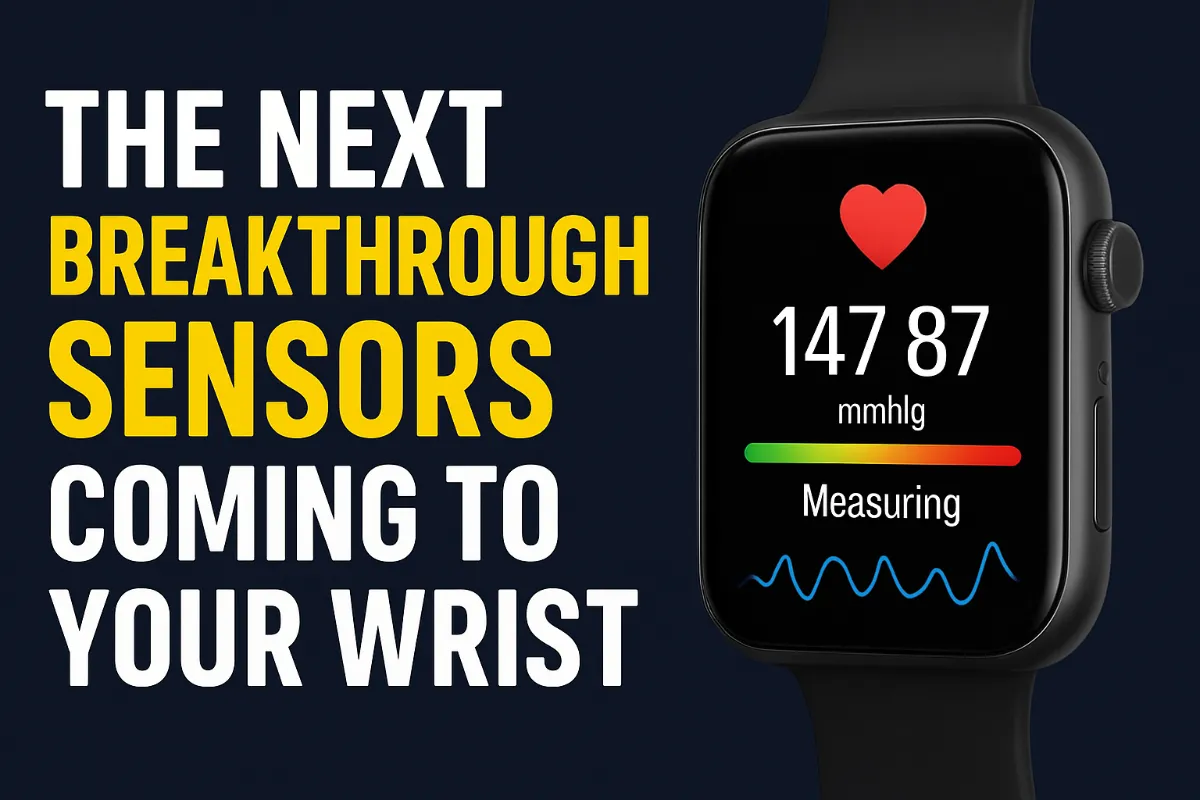
THE NEXT BREAKTHROUGH SENSORS COMING TO YOUR WRIST

Introduction
Have you ever wondered how your smartwatch seems to know more about you than you do? It tracks your heart rate, counts your steps, reminds you to breathe, and even tells you when you need to sleep. But here’s the real question: What if your smartwatch could detect illnesses before symptoms appear? What if it could monitor your stress levels with near-medical accuracy? And what if the next big revolution in health technology isn’t happening in hospitals—but on your wrist?
For many people, the idea of health data, sensors, and “advanced smartwatch features” feels overwhelming. You might think all of this is too technical, too complicated, or too expensive. And honestly? That feeling is completely normal. The truth is, most people only use 30–40% of what their smartwatch can actually do.
But here’s the good news: you don’t need to be a tech expert to understand how breakthrough sensors are about to transform your daily life. In this guide, you’ll learn about the next generation of sensors coming to smartwatches—explained in simple, friendly language. No jargon, no confusion. Just clear insights that help you understand what’s coming, how it works, and why it matters.
By the end of this, you’ll feel confident, informed, and maybe even excited about the future sitting right on your wrist.
The Rise of Next-Generation Wrist Sensors
Smartwatches were once simple step counters. Today, they’re tiny health labs. And the next wave of innovation is even more powerful. Companies like Apple, Samsung, Garmin, and Fitbit have invested heavily in biomedical research. For example, Apple has funded more than a dozen health studies with major universities, and Samsung recently revealed plans to integrate noninvasive glucose monitoring using optical sensors.
These innovations matter because they help you track your health more accurately, more easily, and more consistently—without needles, hospital visits, or expensive equipment.
So what exactly is coming next?
Breakthrough Sensor #1: Non-Invasive Glucose Monitoring
Imagine checking your blood sugar without pricking your finger. Sounds impossible? Not for long.
Smartwatch makers are racing to develop sensors that measure glucose by shining harmless light into your skin. This technology is based on spectroscopy—the same method scientists use to analyze materials without touching them.
Why this matters for you:
• Perfect for people with diabetes or prediabetes
• Helps families track sugar levels and make healthier choices
• Eliminates fear of needles
• Supports early detection of metabolic issues
Early studies show promising results, and analysts predict the first version of this sensor will appear in mainstream smartwatches within the next few years.
Breakthrough Sensor #2: Blood Pressure Without a Cuff
Traditional blood pressure machines squeeze your arm. But new smartwatch sensors use pulse-wave analysis—measuring how fast blood travels through your arteries—to estimate blood pressure.
Samsung has already released a version of this feature in certain regions, and more brands are following.
Why this matters for you:
• No bulky machine needed
• Track BP daily instead of once a month
• Helpful for hypertension, stress, and heart disease prevention
• Makes health monitoring effortless and private
For young adults and families, this means better awareness. For older users, it could be life-changing.
Breakthrough Sensor #3: Advanced Stress + Emotional Monitoring
Your smartwatch already tracks stress, but the next generation will be far smarter.
New emotional-sensing models combine:
• Skin temperature
• Heart-rate variability
• Sweat chemical levels
• Breathing rhythm patterns
Researchers at MIT and Stanford are working on sensors that can detect early signs of anxiety or burnout hours before you feel them.
Why this matters:
• Helps you manage mental health with real data
• Encourages mindful breaks before stress peaks
• Supports students during exams
• Ideal for working professionals balancing long hours
Imagine your watch saying: “You’re trending toward high stress—take a 2-minute breather now.” That’s the future.
Breakthrough Sensor #4: Hydration Level Tracking
Staying hydrated sounds simple, yet most people forget to drink water—even when their body desperately needs it.
The upcoming hydration sensors will analyze:
• Electrical conductivity of your skin
• Sweat salt levels
• Temperature variations
When your body shows early dehydration signs, your smartwatch will alert you.
Why this matters:
• Great for athletes, gym lovers, or runners
• Helpful for students who forget to drink water
• Prevents headaches, fatigue, and low energy
• Keeps families and kids healthier daily
No more guessing. Your watch will know.
Breakthrough Sensor #5: Respiratory & Air Quality Tracking
Next-gen watches will monitor:
• Your breathing rate
• Air pollutants around you
• Indoor vs. outdoor air quality
• Early signs of flu, cough, or respiratory irritation
With pollution levels rising worldwide, this feature is becoming essential.
Why it matters:
• Helpful for people with allergies or asthma
• Protects children and elderly
• Helps families choose safer outdoor times
• Warns you when air quality dips suddenly
It’s like carrying a personal environmental scientist with you.
Potential uses include:
• Detecting alcohol levels
• Reading electrolyte balance
• Monitoring fatigue
• Detecting hormonal changes
• Analyzing muscle recovery after workouts
Scientists at UC Berkeley and Caltech are already testing flexible skin patches that communicate directly with wrist devices.
This opens the door to a world where your watch can sense early signs of illness long before symptoms even appear.
Here’s how:
• Your smartwatch becomes your health coach
• You catch health issues early—before they get serious
• No more confusing medical devices
• You save money on checkups and tests
• You make healthier decisions without effort
• Your family becomes more aware and protected
What used to require multiple gadgets will soon be combined into a single device on your wrist.
This is more than convenience. It’s empowerment.
The Future: Your Wrist as a Personal Health Hub
Smartwatches are turning into powerful health tools. Not just for fitness lovers or tech fans, but for everyday people who want simple wellness support.
Whether you’re a student trying to improve your sleep, a parent wanting more peace of mind, or someone thinking about buying your first smartwatch—these breakthrough sensors will transform how you understand your health.
And the best part? You won’t need to learn complicated terms or operate scientific machines. Your watch will do the hard work. You’ll just live healthier, smarter, and more confidently.
Conclusion
The next breakthrough sensors coming to your wrist aren’t just upgrades—they’re a revolution in personal wellbeing. From noninvasive glucose tracking to stress prediction, hydration sensing, and advanced emotional monitoring, smartwatches are evolving into powerful tools that help you understand your body in ways once possible only in medical labs. And you don’t need technical knowledge to benefit. Everything is designed to be simple, automatic, and user-friendly.

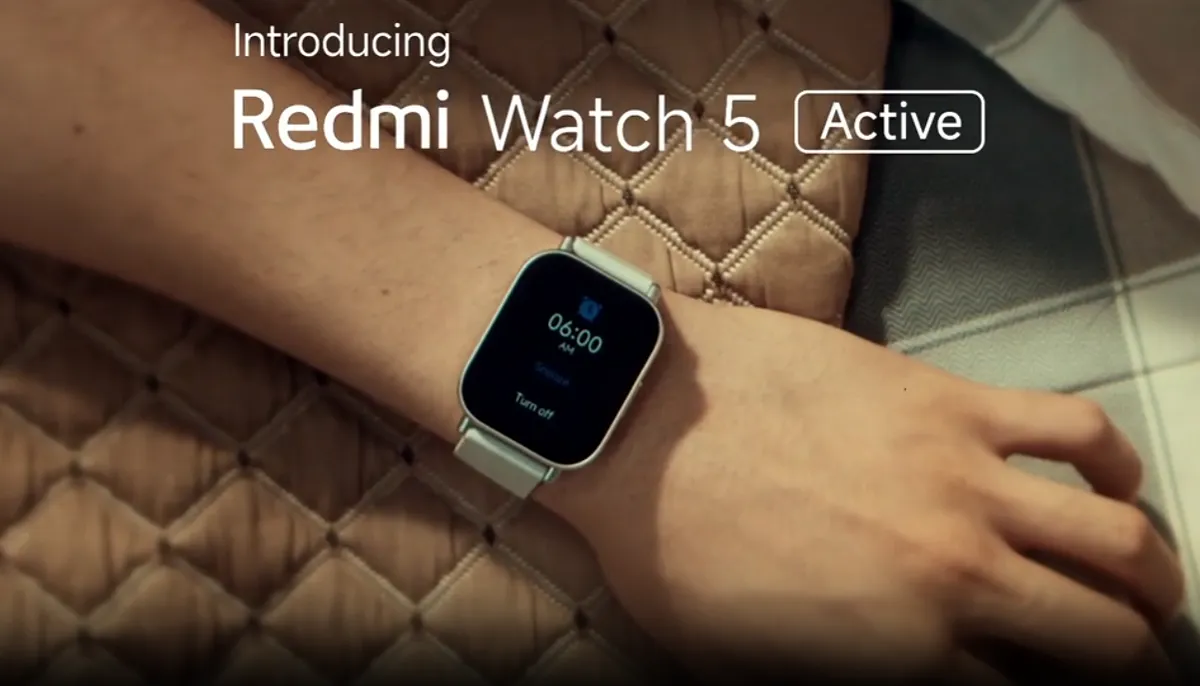
The smartwatch market is flooded with options, but finding a feature-packed yet affordable wearable can be challenging. Xiaomi’s Redmi Watch 5 Active enters the scene as a strong contender, promising premium features at a fraction of the cost of high-end brands.
But does it live up to expectations? In this in-depth review, we’ll examine its design, display, fitness tracking, smart features, battery life, and overall value to help you decide if it’s the right smartwatch for you.
1. Design & Build Quality: Sleek, Lightweight, and Practical
Aesthetics & Comfort:
- The Redmi Watch 5 Active sports a minimalist, modern design with a square-shaped dial, making it look more premium than its price suggests.
- The lightweight plastic body (just 36g) ensures comfort even during long wear.
- The silicone strap is soft, adjustable, and sweat-resistant—ideal for workouts.
Display Quality:
- 1.43-inch TFT LCD (320 x 360 pixels) – Bright and sharp enough for daily use.
- Touchscreen responsiveness is smooth, with minimal lag.
- Always-On Display (AOD) support (though it drains battery faster).
- 5ATM water resistance (can withstand swimming and showers).
Color Options:
Available in Black, Blue, Pink, and Ivory, catering to different style preferences.
2. Fitness & Health Tracking: A Solid Performer
Comprehensive Workout Modes:
- Supports 120+ sports modes, including:
- Running, cycling, swimming, HIIT, yoga, and more.
- Auto-workout detection (recognizes walking/running automatically).
Advanced Health Sensors:
- 24/7 Heart Rate Monitoring – Tracks resting and active heart rates.
- SpO2 (Blood Oxygen) Sensor – Useful for altitude training and health checks.
- Sleep Tracking – Analyzes deep, light, and REM sleep stages.
- Stress Monitoring – Helps manage daily stress levels.
GPS & Accuracy:
- Built-in GPS (not as precise as high-end watches but decent for runs/hikes).
- Syncs with Xiaomi Wear/Zepp app for detailed workout analysis.
3. Smart Features: Beyond Just Fitness
Notifications & Connectivity:
- Call, SMS, and app alerts (WhatsApp, Instagram, etc.) with quick replies (Android only).
- Music control (play/pause/skip tracks from your wrist).
- Camera shutter control – Great for group photos.
Additional Conveniences:
- Weather updates:
- Find My Phone feature
- Idle reminders (nudges you to move if inactive too long)
App Support & Customization:
- 100+ watch faces (downloadable via Xiaomi Wear app).
- Customizable quick settings (brightness, DND, etc.).
4. Battery Life: A Major Selling Point
- Up to 10 days on a single charge (with moderate use).
- Heavy usage (GPS + AOD) drains it in ~3-4 days.
- Fast charging (0-100% in ~2 hours).
5. Performance & Software Experience
- Smooth UI (better than older Redmi watches).
- Occasional lag when switching apps.
- Reliable syncing with Android/iOS (but some iOS features are limited).
6. Price & Competition: Is It Worth It?
Price Range: ₹3,000 – ₹4,500 (~$40-$60)
Competitors Compared
| Feature | Redmi Watch 5 Active | Amazfit Bip 5 | Realme Watch 3 |
|---|---|---|---|
| Display | 1.43″ LCD | 1.91″ LCD | 1.8″ LCD |
| GPS | Yes | Yes | No |
| Battery | 10 days | 10 days | 7 days |
| SpO2 | Yes | Yes | Yes |
| Price | ₹3,499 | ₹5,999 | ₹3,499 |
Verdict: If you want a budget-friendly smartwatch with solid features, the Redmi Watch 5 Active is a great pick. Ideal for fitness lovers and everyday users!
With a price tag of USD 55 million, the Graff Diamonds Hallucination is the most expensive watch in the world in 2025.

Redmi Watch 5 Active with 18 Days Battery Life
Luxury Watches Under 1 Lakh in India
Which is the most expensive watch in the world in 2025?
10 Affordable Luxury Watches in India – Rs.50,000 to Rs.1 lakh
Which Watch Virat Kohli Wears and its Cost? Virat Kohli Watch Collection
15 best apple watch straps to suit any style and occasion
Why Is Patek Philippe So Valuable?
📌 What is Facebook Campaign Bid Strategy?
Pincode targeting vs radius targeting which is good in Facebook ads

How Smartwatches Influence Discipline & Daily Routines: A Simple Guide to a More Organized You

PSYCHOLOGY BEHIND CHECKING YOUR WRIST
15 best apple watch straps to suit any style and occasion

How Smartwatches Have Become a New-Class Accessory

HOW SMARTWATCH SHAPE YOUR MORNING MOOD

WHAT SMARTWATCH WILL LOOK LIKE IN 2050

THE SOCIAL IDENTITY OF SMARTWATCH USERS IN MODERN SOCIETY
Which is the most expensive watch in the world in 2025?

THE HIDDEN SLEEP PATTERNS SMARTWATCHES CAN REVEAL

THE 7 TYPES OF SMARTWATCH USERS {AND WHICH ONE ARE YOU?}

HOW YOUR SKIN ADAPTS TO SMARTWATCH SENSORS
-

 Luxury Watches1 year ago
Top 10 Most Expensive Watches in India – Is Buying a Rs.1 Crore Watch Worth It?
-

 Smart Watches1 year ago
16 Best Smartwatches UNDER ₹1000 – Budget Smartwatch in India
-

 Luxury Watches1 year ago
Top 10 Ultra Luxury Watch Brands Worn by Billionaires
-

 Luxury Watches1 year ago
GST on Luxury Watches in India: A Complete Guide
-

 Luxury Watches1 year ago
Best Brand Watches for Men in India (2025)
-

 Smart Watches1 year ago
The Best Smartwatches Under ₹2000 in India for 2025: Your Ultimate Guide
-

 Smart Watches1 year ago
Fire‑Boltt Ring X Features: BT Calling, Battery, Display and Price
-

 News1 year ago
Redmi Watch Move: Features, Specs, Price, and Everything We Know So Far